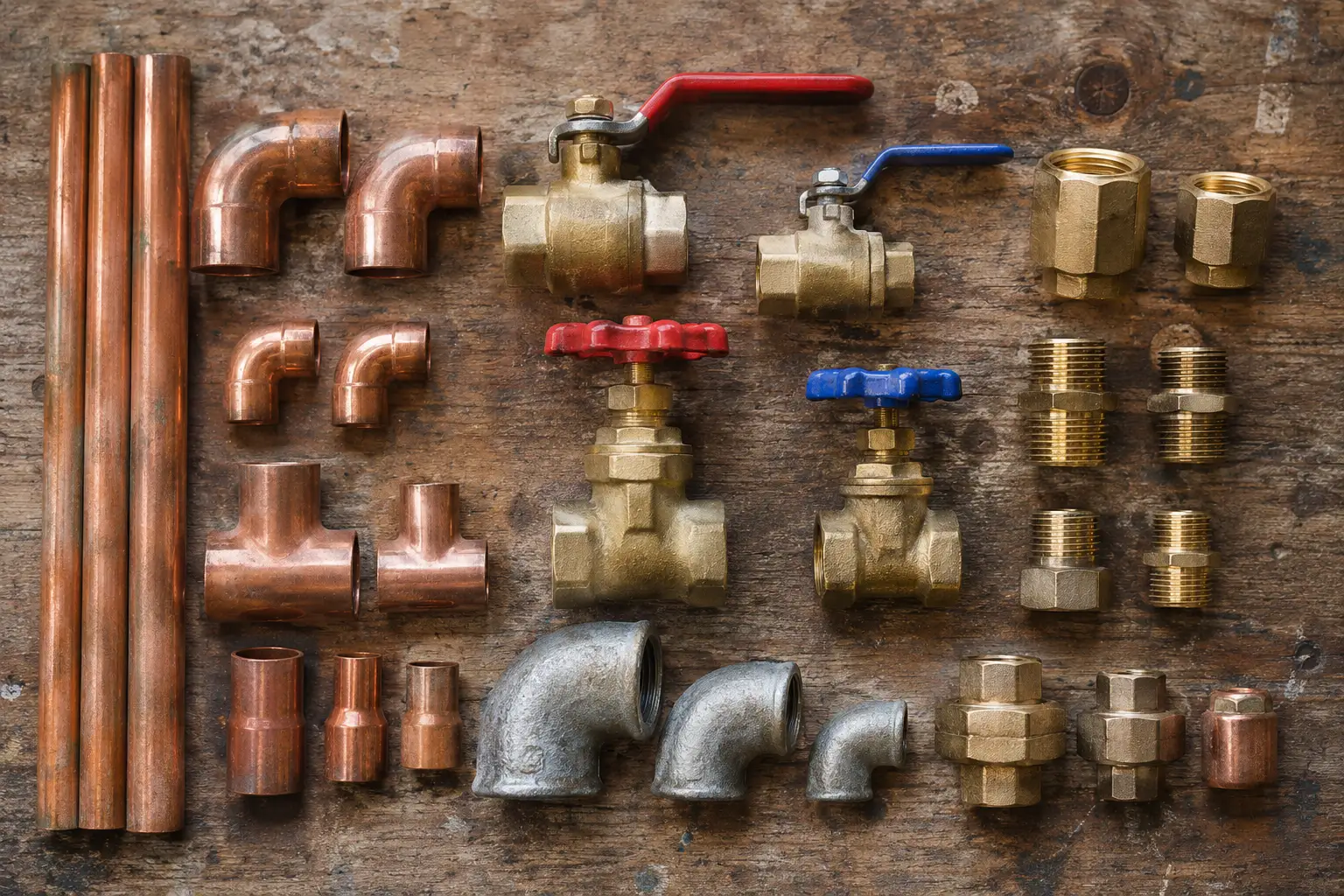
These plumbing guides for Cheyenne homes explain what is going on inside your pipes, what you can safely do yourself and the point where a technician should take over. Each one is short, practical and written for someone standing in a wet basement with a phone in hand.
Every guide in one place
The list runs from urgent how to pages to calmer reading for a quiet weekend. Pick the title that matches your problem. Every guide links to the matching service page in case the job turns out bigger than expected.
- How to shut off your waterWhere the main valve usually hides, how to turn each type and what to do when it will not move.
- What to do when a pipe burstsAn hour by hour plan for the first day, from closing the main to drying the room before mold sets in.
- How to thaw a frozen pipeFind the ice, open the faucet and warm the line gently. Plus the signs it has already split.
- How to keep pipes from freezingA fall checklist, insulation and heat cable basics, and what to do before a cold snap or a winter trip.
- Signs of a hidden water leakStains, smells, warm floors and a meter that keeps moving. How to check your house in ten minutes.
- When a clogged drain is an emergencyOne slow sink can wait. Several backed up drains, sewage smell or water rising in the basement cannot.
- Why a water heater stops workingPilot, breaker, reset button, lukewarm water and leaks. The checks to make first and the signs that mean it is time to call.
- What to do when a toilet overflowsStop the water, plunge the right way and clean up safely. Plus the signs that the clog is in the main line, not the toilet.
- Sewer backup in the basementSewage coming up the floor drain. Stop using water, stay safe around power and get the main line cleared.
- Why water pressure dropsOne weak faucet or the whole house. Aerators, valves, the pressure reducing valve, old pipe, leaks and frozen lines.
- Plumbing maintenance checklistMonthly, seasonal and yearly checks for a Cheyenne home, from fall freeze prep to the spring sump pump test.
- Plumbing terms explainedPEX, cleanouts, anode rods, flappers and more, in plain English and grouped by where you find them.
Which guide to read first in an emergency
When water is moving, reading time is short. Work through these in order and stop at the step that matches your situation.
Stop the water
Every flood starts with the same move. How to shut off your water shows where the main valve usually hides and how to turn it without snapping an old stem.
Deal with the source
If a line split, follow what to do when a pipe bursts. If a bowl is spilling over, go to what to do when a toilet overflows.
Check for sewage
Dirty water coming up through a floor drain is a different problem with its own safety rules. Read sewer backup in the basement before you touch it.
Get ready for the visit
The plumbing emergency checklist lists what to note and what to have ready when you call us.
A gas smell comes before any guide
If you smell gas, leave the house now. Do not flip switches or use a lighter, and call 911 or the gas company from outside. Plumbing guides can wait.
Seasonal reading for Cheyenne winters
Hard freezes, wind and snow are the biggest threat to plumbing here. The best time to read about frozen pipes is the week before the first cold snap, not the morning a kitchen tap gives nothing. These guides line up with the way a Cheyenne winter usually unfolds.
| When | What to read | Why it matters then |
|---|---|---|
| Early fall | Plumbing maintenance checklist | Disconnect hoses, test the main valve and look over the water heater before heating season. |
| Before the first hard freeze | How to keep pipes from freezing | Insulation, open cabinet doors and a steady thermostat protect lines in outside walls. |
| A tap runs slow on a bitter morning | How to thaw a frozen pipe | Safe, gentle heat now prevents a split when the ice lets go. |
| Midwinter, showers turning short | Why your water heater stopped working | Cold incoming water pushes a worn heater past its limits. |
| Late winter thaw | Signs of a hidden water leak | Pipes that froze quietly can start leaking inside walls once they warm up. |
The holidays add one more pattern. Big meals send grease and peels down kitchen drains, and full houses mean more showers and flushes. If a sink stops draining during a family gathering, when a clogged drain becomes an emergency helps you decide whether it can wait until the guests leave.
Guides for problems that build slowly
Not every plumbing issue arrives with a bang. Some creep up over months, and catching them early keeps them small. A stain that grows a little each week, a toilet that needs a second flush or a water heater that rumbles louder every winter all have a guide worth ten minutes of your time.
If you read a guide and the problem still looks beyond a quick fix, that is useful to know too. The plumbing services page lists every kind of job you can call us about.
What you can handle and what to hand over
The guides draw a clear line between small jobs a careful homeowner can do and work that belongs with a technician. Knowing that line before something breaks keeps a simple problem from turning into a bigger repair.
Fine to try yourself
- Closing the main valve or the small valve behind a toilet
- Plunging a toilet or a single sink
- Warming a cold room with a space heater kept away from water
- Pulling hair out of a tub stopper
- Insulating exposed pipe in a garage or crawl space
Best left to a technician
- Anything involving gas piping or a gas valve
- A relief valve that hisses or drips on the water heater
- Sewage coming up through a floor drain
- Cutting into a wall to find a leak
- A clog that comes back after every plunge
A good rule from all of these guides is to stop the moment a fix needs force. A valve that will not turn, a nut that will not budge or a drain cleaner bottle in your hand are all signs to put the tools down. Forcing old fittings in a house with galvanized steel or aging copper can turn a drip into a spray. Call us at that point and describe what you tried, so the technician knows what to expect when they arrive.
How these guides are written
Each guide sticks to what is safe for a homeowner to try and is honest about where that stops. You will not find advice to open gas lines, cap a relief valve or thaw a pipe with a torch. When a step needs tools or training most people do not have, the guide says so and points to the service that covers it.
We also avoid made up numbers and local claims we cannot back up. If something depends on your house, your pipes or the age of your fixtures, the guide tells you that instead of guessing. For a closer look at the way we work, see about Plumber Cheyenne.