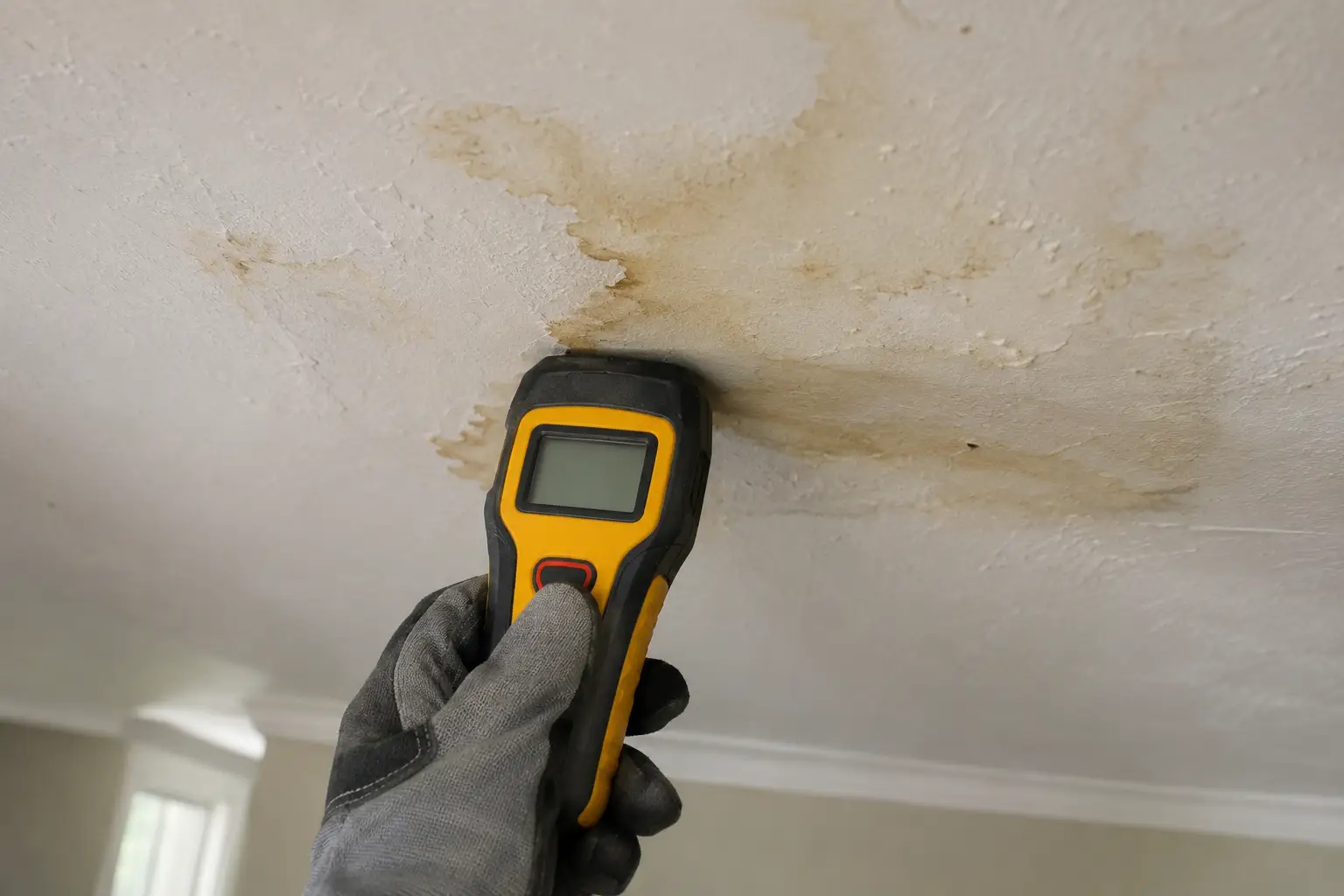
A ceiling stain that keeps spreading, a water meter that never rests or the hiss of running water with every tap closed all mean water is going somewhere you cannot see. Call us for leak detection in Cheyenne, WY and a local technician can come out to pin down the source before anyone starts cutting into walls or floors.
A two minute meter check before you call
Your water meter is the simplest leak detector in the house. It only moves when water flows, so it can tell you in a couple of minutes whether something is leaking and roughly where.
Close every fixture
Make sure no faucet, shower, washer, dishwasher, ice maker or sprinkler is running. Wait until the toilets have finished filling.
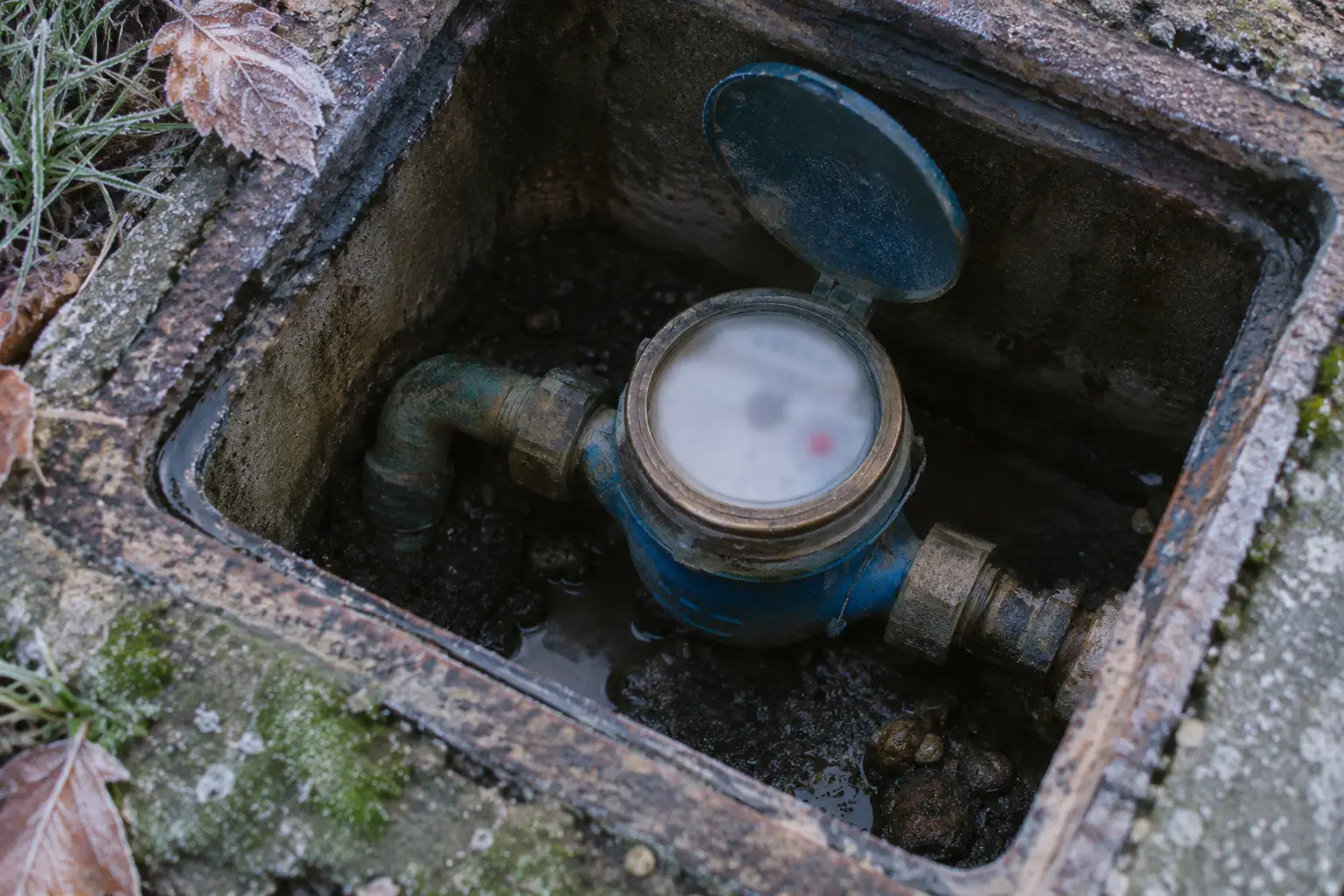
Find the meter and watch it
Many meters sit in a pit near the street under a round lid, and some are inside by the main valve. Look for a small spinning triangle or wheel, or a sweep hand that creeps forward.
Close the main shut off valve
If the meter is still moving with the main closed, the leak is likely on the yard line between the meter and the house. If it stops, the leak is inside. Our shut off guide shows where the main valve usually is.
Call Plumber Cheyenne
Tell us what the meter did, where you see damp spots and what kind of house it is. A local technician can come out with the right tools for the job.
Check the toilets with food coloring
Put a few drops in each tank and wait fifteen minutes without flushing. Color in the bowl means the flapper is leaking, which is one of the most common hidden leaks and often the easiest fix.
How leak detection in Cheyenne works
Good leak detection is about narrowing the search with readings, not guessing and opening drywall in five places. The technician combines a few methods depending on where the clues point.
The meter is usually where the search starts. With every fixture off, any movement on the dial is water leaving the system. Closing the house valve and then single branch valves tells the technician which half of the plumbing to focus on.
From there the work gets more precise. Listening equipment and a thermal camera point to a spot, moisture readings confirm how far the water has traveled, and only then does a small opening go in the wall or floor to reach the pipe.
Signs of a leak you cannot see
Act right away
- Water dripping through a ceiling. Close the main, switch off power to that area from a dry spot and call.
- A sagging or bulging ceiling. Keep people out from under it. It can hold a lot of water.
Get it seen today
- The meter moves with everything off. Something is leaking, even if nothing looks wet yet.
- A warm spot on a tile or concrete floor. A hot water line under the slab may be leaking.
Can wait a few days
- A musty smell in one closet or cabinet. Worth a look soon. Slow leaks feed mold.
- Paint bubbling or baseboards swelling. Moisture is wicking up from somewhere close.
A sudden jump in water use with no change in habits is another clue. So is a water heater that seems to run all the time, which can mean hot water is escaping. Our guide to the signs of a hidden water leak goes through each one.
Where hidden leaks usually start
| Location | What you tend to notice | What usually fixes it |
|---|---|---|
| Toilet flapper or fill valve | Tank refills on its own, faint hiss, meter creeps | New flapper or fill valve |
| Supply line in a wall | Damp drywall, peeling paint, stain that grows | Small opening, new section of pipe, patch |
| Shower valve or drain | Stain on the ceiling below the bathroom | Repair the valve or reseal the drain from below |
| Line under a slab | Warm floor, cracked tile, sound of running water | Spot repair through the floor or a new line overhead |
| Yard service line | Soggy lawn, low pressure, meter moves with the main closed | Repair or replace the line from the curb stop |
| Water heater fittings | Water around the base, rust on the connections | Tighten or replace fittings, or service the heater |
Slab leaks and leaks inside walls
Pipes under a concrete floor or behind finished walls are the hardest leaks to find and the ones that do the most damage over time. Copper lines under a slab can wear thin where they rub against concrete or gravel. Older galvanized pipe rusts from the inside until a pinhole opens up.
Fixing a slab leak
Once the leak is located, there are two common choices. The technician can open a small section of floor right over the leak and repair that spot, or abandon the damaged line and run a new one through the walls or ceiling. The second option makes sense when the pipe under the floor is old and likely to fail again.
Fixing a leak in a wall
For wall and ceiling leaks, a precise reading keeps the opening small, often a single square of drywall. The pipe is repaired with fittings that match the system, whether that is PEX, copper or CPVC, and the line is tested under pressure before the wall is closed. If the leak came from a drain rather than a supply line, the fix is different, and the technician will explain which one you have.
Call right away or schedule a visit?
Call now
- Water is coming through a ceiling or light fixture
- A ceiling is sagging or a floor feels spongy
- The meter spins fast with every fixture off
- Water is near outlets, the panel or a furnace
Fine to book a visit
- The meter creeps slowly and nothing looks wet
- A small stain that is dry and not growing
- A toilet that refills now and then
- A musty smell with no visible water
If you are unsure, close the main and call. A slow leak left alone through a Cheyenne winter can soak insulation and framing long before it shows on the surface.
What happens on a leak detection visit
- Talk through the clues. The technician asks what you noticed, when it started and what the meter did, then looks at every wet spot.
- Isolate the system. Valves are closed one at a time to tell the hot side from the cold side and the house from the yard line.
- Pinpoint the spot. Acoustic, thermal and moisture readings narrow the search to a small area before anything is opened.
- Explain the options. You hear where the leak is, what caused it and the ways to fix it. Nothing gets cut or repaired until you decide.
- Repair and test. The pipe is repaired, the system is put back under pressure and the meter is checked again to confirm it has stopped moving.
Patching drywall and drying out wet materials is usually separate from the plumbing repair. The technician can show you what got wet so you can start drying it quickly.
Questions to ask once the leak is found
- What caused this leak, and is the same pipe likely to leak somewhere else?
- Is a spot repair enough, or does a longer section of line need replacing?
- How much of the wall, ceiling or floor needs to be opened?
- Did the meter stop completely after the repair?
- Is the house water pressure higher than it should be?
Keep notes while you wait. The emergency checklist lists what is worth writing down, from where you first saw water to what the meter showed.
Keeping small leaks from turning into big ones
Most hidden leaks start small. A few habits catch them early.
- Read the meter with everything off a few times a year, and after any cold snap.
- Look under sinks and behind toilets for damp wood, stains or rust on the shut off valves.
- Replace rubber washing machine hoses with braided steel ones and check them every year.
- Keep pipes in garages, crawl spaces and outside walls insulated so they do not freeze and split.
- Ask about a pressure reducing valve if faucets bang or spray hard, since high pressure strains every joint.
For freeze protection steps, see how to keep pipes from freezing. If you already found a cracked line, burst pipe repair is the next step.
Questions people in Cheyenne ask
How do I know if I have a hidden water leak?
Turn off every fixture and watch your water meter. If the leak indicator or dial keeps moving, water is escaping somewhere. Damp drywall, a musty smell, warm spots on the floor and a water heater that runs constantly are other common signs.
Will the technician have to tear open my walls?
Usually only a small opening, and only after the leak is pinpointed. Listening equipment, thermal imaging and moisture readings narrow the search first, so the technician opens the wall right where the pipe is instead of guessing.
What is a slab leak?
A slab leak is a leaking water line under a concrete floor. Signs include a warm patch on the floor, cracked tile, damp carpet with no obvious source and the sound of running water. The fix is either a spot repair through the floor or a new line overhead.
Can a leak be outside between the meter and the house?
Yes. If the meter keeps moving after you close the main shut off valve, the leak is likely on the yard service line. A soggy patch of lawn or low pressure throughout the house often goes with it. See water line repair for that job.
Is a running toilet really a leak?
It is. A worn flapper can let water slip into the bowl all day and night, and it adds up fast. Put food coloring in the tank and wait. Color in the bowl without flushing means the flapper needs replacing.
Should I call my insurance company about a leak?
If water damaged floors, walls or belongings, take photos before cleanup and call your insurer, since many policies want to hear about it quickly. Ask the technician to point out the source so you can describe what failed.
Finding leaks all over Cheyenne
We take calls from homes across Cheyenne in 82001, 82007 and 82009, from older houses with galvanized pipe to newer builds on slabs. Tell us your street when you call so the technician knows where to go.
ZIP codes 82001, 82007, 82009