Plumber in Cheyenne, WY
Burst pipes, backed up drains, cold showers. Tell us what is happening and a licensed local plumber can come out.
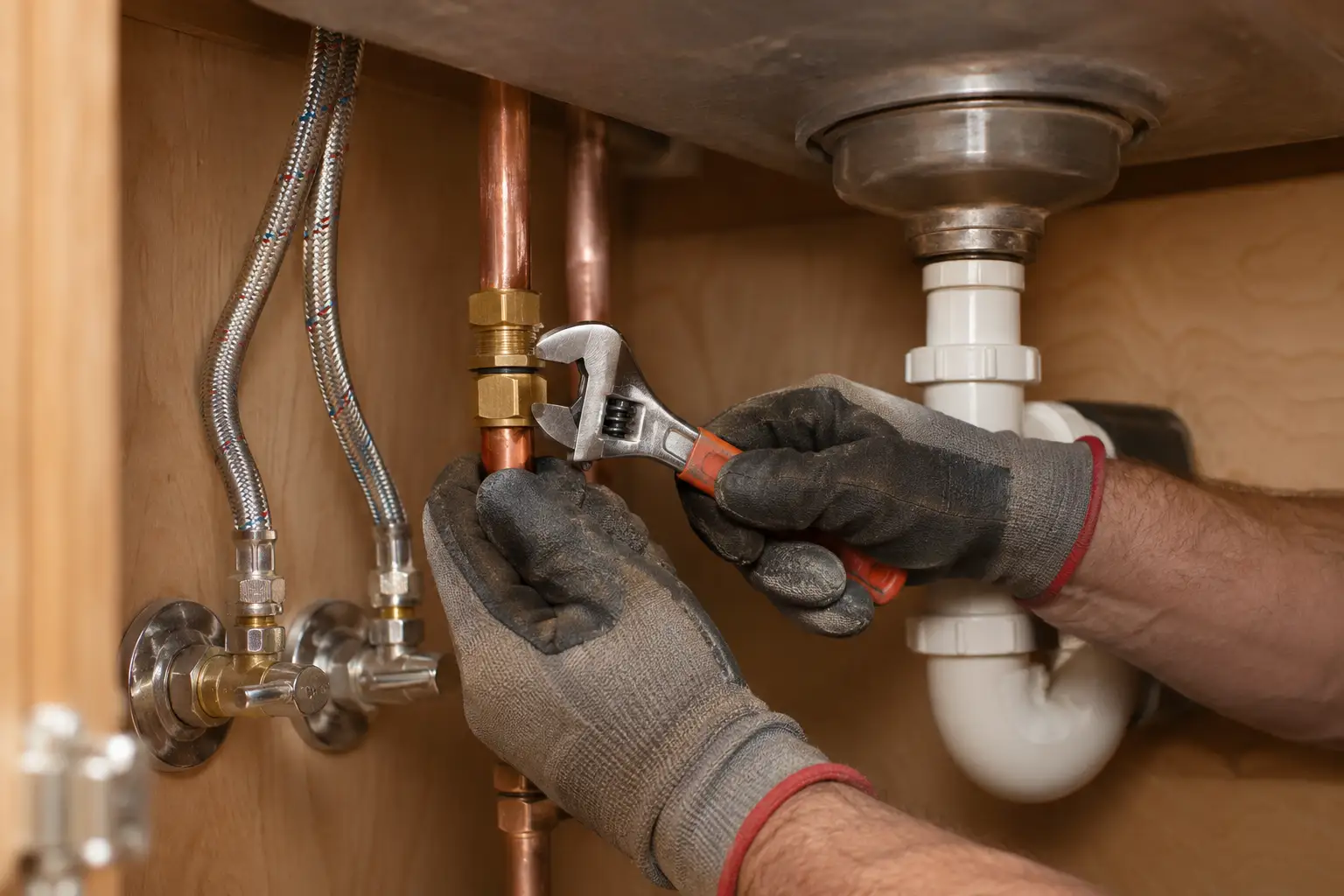
What do you need help with today?
- Licensed local technicians
- No obligation to go ahead
- Every street in Cheyenne
- Options explained before work starts
Everything your plumbing needs, one call away
Water lines, drains, sewer, water heaters and fixtures. Pick a part of the house to see the problems we take calls for, then open the page that matches yours for first steps, warning signs and what the repair involves.
Pipes, leaks and water lines
- Emergency Plumber. Burst pipes, sewage coming up, a leaking water heater or no water at all. The first step for each, then a call.
- Burst Pipe Repair. A split line, water through a ceiling or a wall that suddenly went soft. Shut the main and call.
- Frozen Pipe Repair. A faucet that went dry on a bitter morning. Open it, keep the heat gentle and call before the ice gives way.
- Leak Detection. A meter that never stops, a stain that keeps growing or the sound of running water. A technician can find the source before anything is opened.
- Water Line Repair. A soggy patch of lawn, weak pressure in every room or a meter that never stops. The main service line may be leaking.
- Repiping. Rusty water, weak pressure and one leak after another usually mean the pipes are worn out. Replace one run or the whole house.
- Gas Line Repair. Corroded pipe, worn appliance connectors and new lines for a range or dryer. If you smell gas, leave the house and call 911 first.
Drains, sewer lines and sump pumps
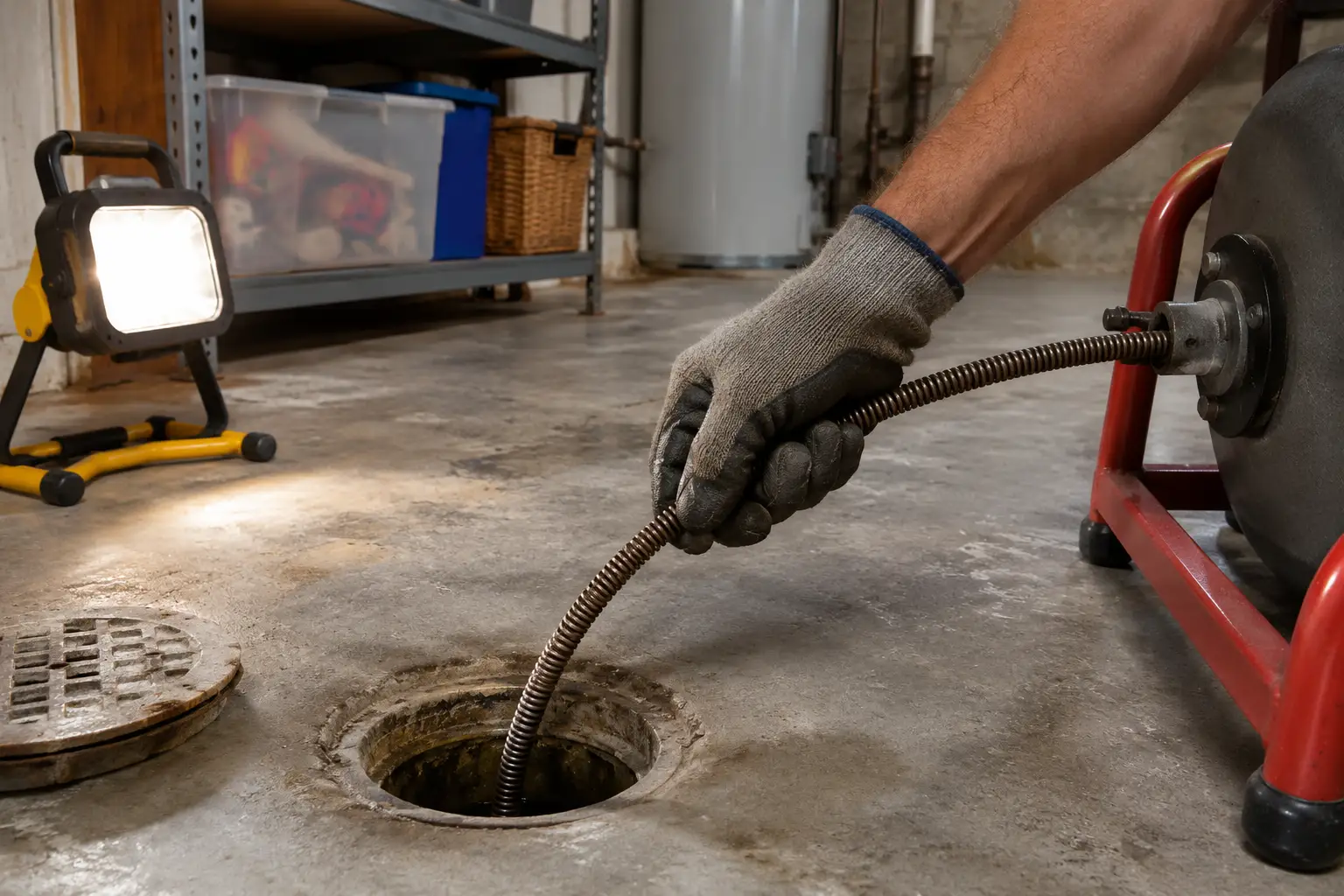
- Drain Cleaning. Sinks holding gray water, tubs draining in slow circles and floor drains that gurgle. Stop using the drain and call.
- Hydro Jetting. For lines that clog again and again. Water at high pressure scrubs grease, scale and roots off the pipe walls.
- Sewer Line Repair. Every drain backing up at once, sewage at the floor drain, or roots in an old clay line. Stop running water and call.
- Sewer Camera Inspection. Repeat clogs, an older home you plan to buy, or a backup you want explained. A camera shows what is inside the pipe.
- Sump Pumps. A pump that will not start, runs nonstop or leaves water rising in the pit. Keep clear of wet outlets and call.
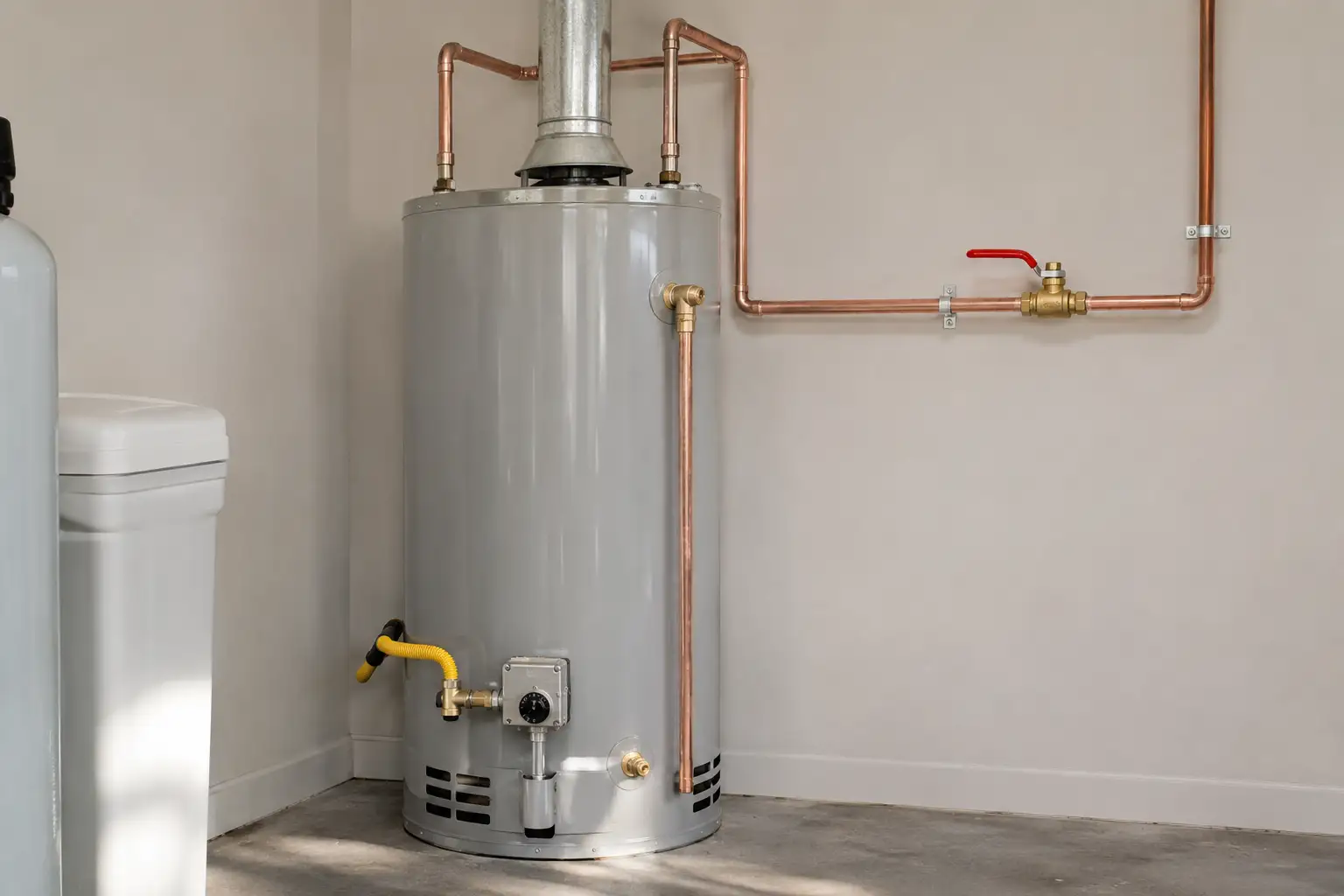
Tank and tankless water heaters
- Water Heater Repair. No hot water, a pilot that will not stay lit, or a puddle under the tank. Repairs, replacement and installation.
- Tankless Water Heaters. An error code on the display, water that turns cold midshower, or a unit that needs descaling. Call and describe what it shows.
Toilets, faucets, showers and more
- Toilet Repair. A toilet that runs all night, clogs every week, rocks on the floor or leaves water around the base. Most of these are quick repairs.
- Faucets and Sinks. A faucet that drips all night, a cabinet that is always damp or a sink that drains slowly. Small problems, fixed before they spread.
- Garbage Disposals. A disposal that hums, trips, jams or drips into the cabinet. Switch it off, then tell us what it is doing.
- Showers and Tubs. A shower that will not stop dripping, runs too hot, or a tub that drains like a pond. Tell us what it does and when.
- Outdoor Faucets. A hose bib that drips, sprays at the handle or sends water into the basement the first time you use it in spring.
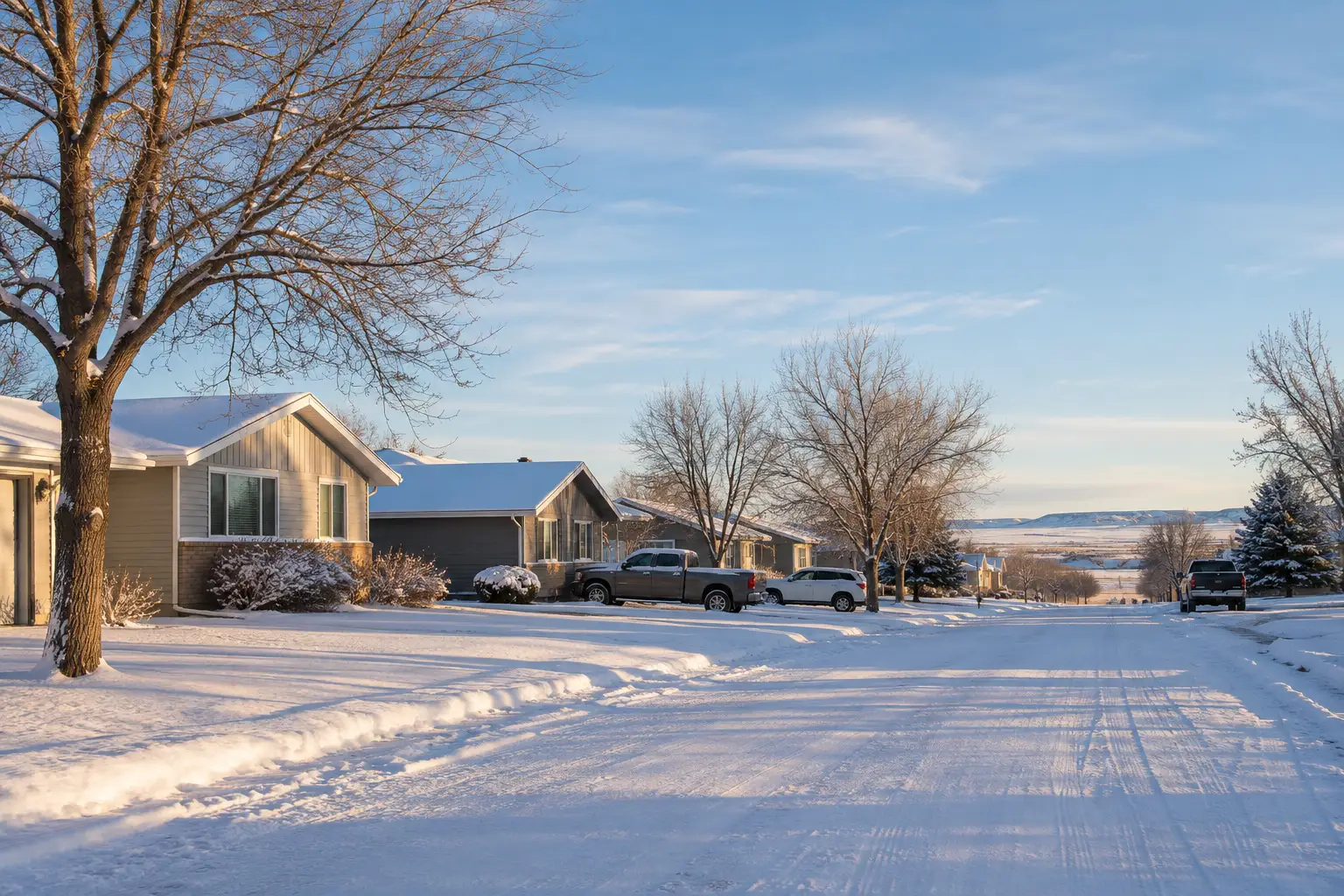
Cheyenne winters are hard on plumbing
Cold winters with hard freezes and snow are part of life here, and they find every weak spot in a plumbing system. Water lines in exterior walls, garages and crawl spaces freeze first. Outdoor faucets with a hose still attached split inside the wall and leak only when spring comes. Sump discharge lines freeze shut right when snowmelt starts.
Most frozen and burst pipe calls come the morning after the first real cold snap, or when a house sits empty over a holiday trip. A few minutes of prevention in the fall goes a long way, and the guide on keeping pipes from freezing walks through it.
Why homeowners call Plumber Cheyenne
Plumbing trouble is stressful enough. Here is what you can count on when you call Plumber Cheyenne.
Licensed local technicians
The plumber who comes out is licensed and local to Cheyenne, and you are welcome to ask about the license at the door.
Plain explanations
You hear what failed, why it failed and what fixes it, in normal words instead of trade jargon.
No obligation
Nothing starts until you agree. If you want to think it over, that is your call.
Every part of Cheyenne
From the oldest brick homes to brand new builds, every street in 82001, 82007 and 82009.
Made for Cheyenne winters
Frozen lines, split outdoor faucets and frozen sump discharge are everyday winter calls here.
Help before anyone arrives
Guides and an emergency checklist cover the first ten minutes, so you can stop the damage right away.
Emergency now or a repair that can wait?
Not every plumbing problem needs someone tonight, but some cannot sit for an hour. Water spreads into subfloors and drywall quickly, sewage carries germs, and a gas leak is a danger to everyone in the house. Here is how the common Cheyenne calls sort out. If yours is in the first column, close the main water valve and call.
Act right away
- Water spraying or pouring. Close the main shut off valve first.
- Sewage coming up a drain. Stop running water and flushing anywhere in the house.
- You smell gas. Leave the house and call 911 or the gas company from outside.
Get it seen today
- No water after a cold night. A line may be frozen and could split as it thaws.
- No hot water. Check the breaker or pilot, then call if it stays cold.
- One drain backing up into another. Often a main line clog building up.
Can wait a few days
- A dripping faucet. Annoying, wasteful, but not urgent.
- A toilet that runs now and then. Usually a worn flapper or fill valve.
- Slow drain in one sink. Book a visit before it closes off.
Not sure where your problem fits? The emergency checklist covers the first ten minutes for every common situation, and the shut off valve guide shows where to find the main valve in most Cheyenne houses.
Plumbing repairs we take calls for in Cheyenne
Plumber Cheyenne takes calls for the full range of home plumbing, from the water line at the curb to the sewer line that leaves the house. When you call, tell us what you see and hear. The technician who comes out handles the repair, and you always hear the options first.
| Part of the house | Common problems | Where to read more |
|---|---|---|
| Water supply lines | Burst and frozen pipes, pinhole leaks, low pressure, old galvanized pipe | Burst pipes, repiping |
| Main water line | Leaks between the curb and the house, soggy lawn, low pressure | Water line repair |
| Drains | Kitchen grease clogs, hair in tubs, slow floor drains | Drain cleaning, hydro jetting |
| Sewer line | Roots, broken clay pipe, sags, basement backups | Sewer line repair, camera inspection |
| Hot water | No hot water, leaking tanks, tankless error codes | Water heaters, tankless units |
| Fixtures | Running toilets, dripping faucets, shower valves, disposals | Toilets, faucets, showers |
| Basement and outside | Sump pumps, frozen outdoor faucets, gas lines to appliances | Sump pumps, outdoor faucets, gas lines |
Some repairs are quick, like a new fill valve in a toilet or a cartridge in a shower valve. Others take longer, like replacing a main water line or a section of sewer pipe under the yard. Either way, the technician explains the work before it starts, so you know what is happening in your house and why. If a repair can wait, they will say so, and if something nearby looks close to failing, you will hear about that too.
Know your basement before something breaks
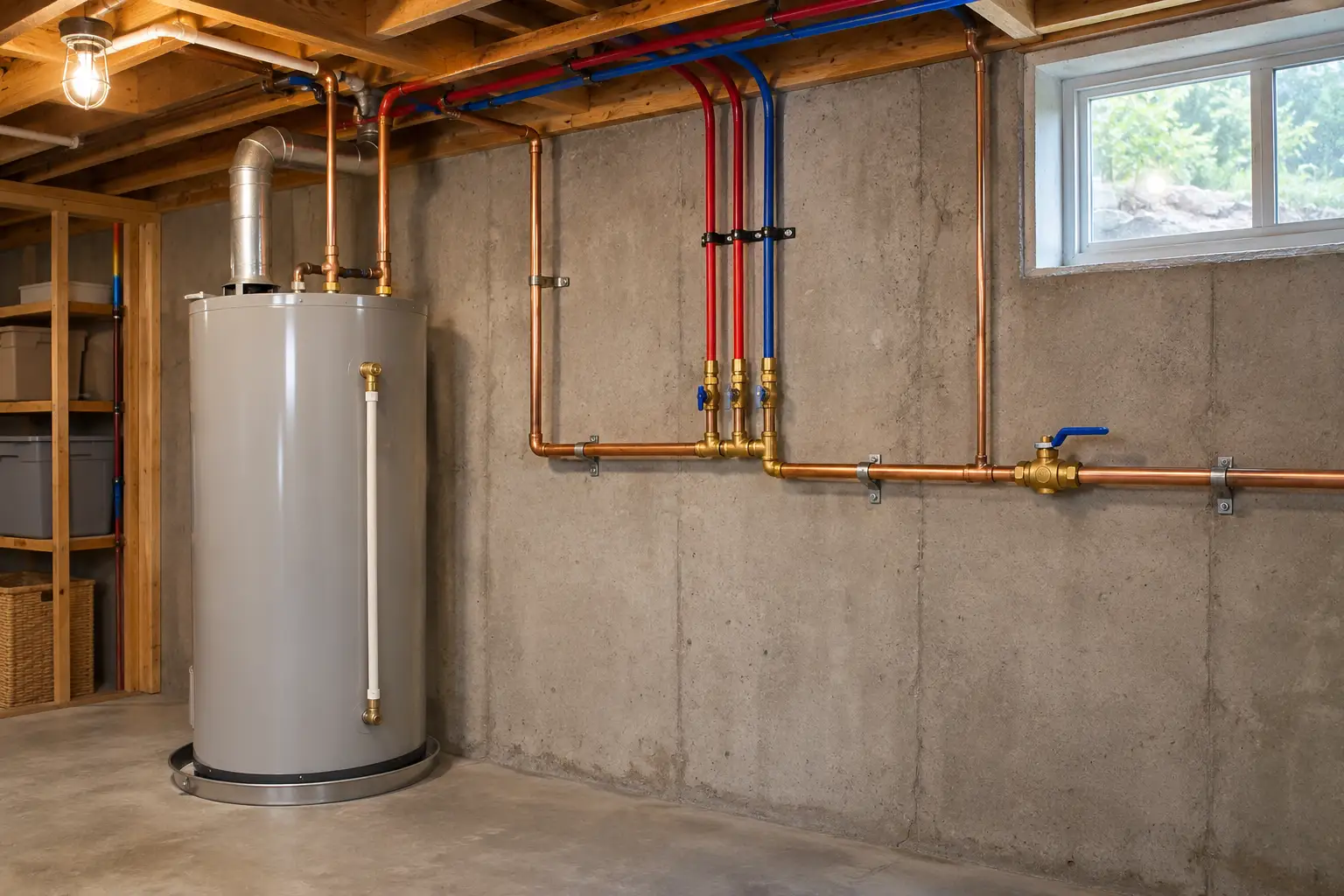
Most Cheyenne homes keep the important plumbing in one place. The main shut off valve sits where the water line enters, usually on a basement or crawl space wall near the meter, with the water heater, the main sewer cleanout and often the sump pit close by. Take two minutes this week to find the valve and make sure it turns.
What happens when a technician comes out
A plumbing visit should not feel like a mystery. Here is what to expect from the moment the technician knocks. If anything is unclear along the way, ask. Good technicians would rather explain twice than leave you unsure about what was done in your house.
- A look at the problem. The technician asks what you noticed, then checks the fixture, the line or the appliance. Finding the real cause comes first, since a clog, a leak or a cold shower can have several.
- A plain explanation. You hear what failed, what the repair involves and whether anything nearby is close to failing too. Ask anything. Nothing starts until you agree.
- The repair. Pipe, fittings, valves or parts are replaced with materials that match your system, whether that is copper, PEX, PVC, ABS or cast iron.
- A test before they leave. Water goes back on, drains are run, and the work is checked for leaks so you are not left guessing.
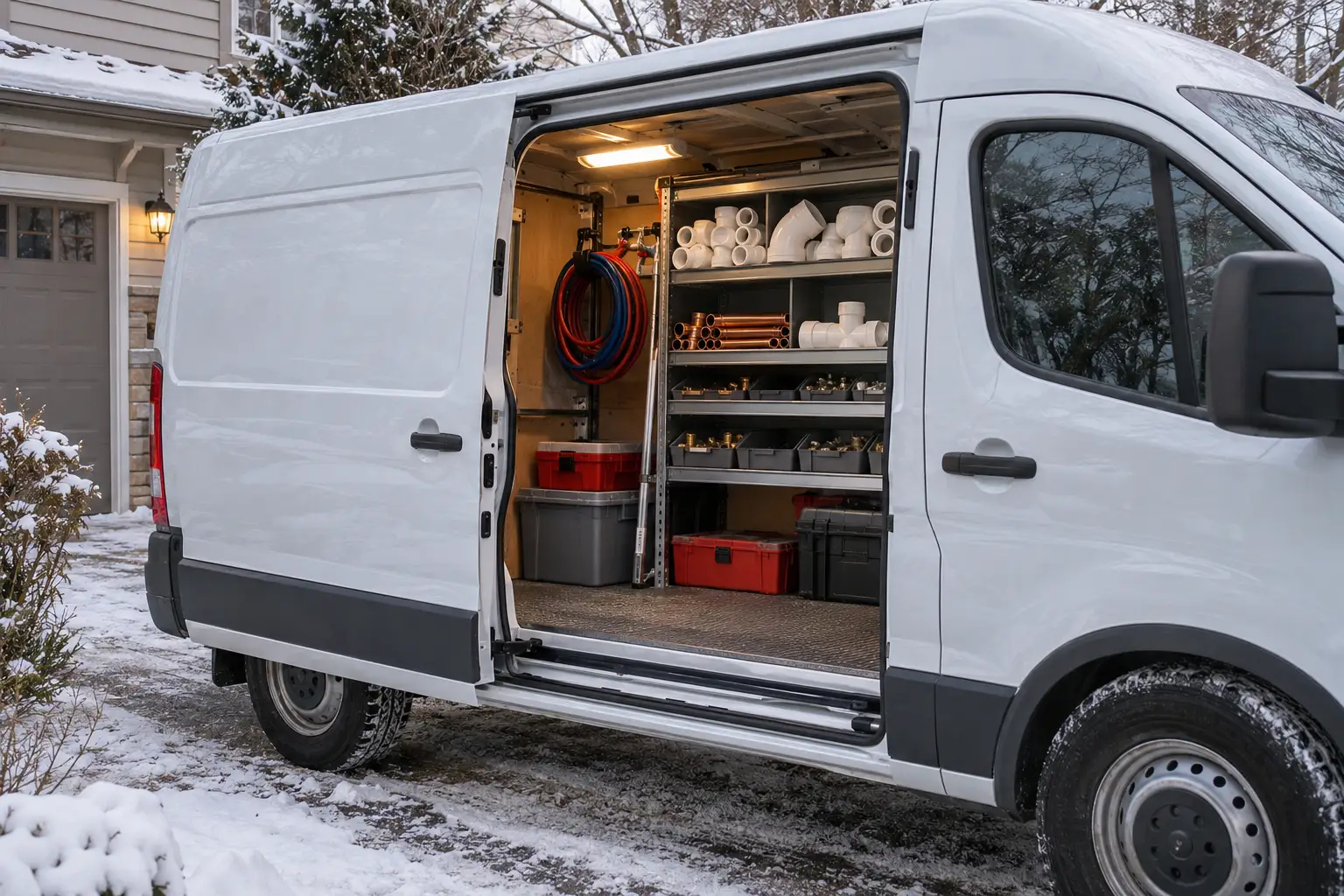
The technician arrives with the tools and common parts for the problem you described, which is why the details you give on the call matter. Mention the age of the house if you know it, the kind of pipe you can see and anything you already tried.
If you already know where the problem is, have the area cleared before the technician arrives. Move stored boxes away from the water heater, empty the cabinet under a leaking sink and make sure the path to the basement is open. It makes the visit smoother and keeps your things dry.
- Where the water or the problem is
- When it started and whether it is getting worse
- Whether the main valve is closed
- Your street and the best way into the house
The pipes inside most homes here
The kind of pipe in your walls says a lot about which problems to expect. Older houses often mix several materials, because repairs over the decades added whatever was standard at the time. If you can see a stretch of pipe near the water heater or the main valve, you can usually tell what you have.
| Pipe | How to spot it | What to watch for |
|---|---|---|
| Copper | Shiny or dull brown metal, soldered joints, green spots at old fittings | Pinhole leaks with age, splits where it freezes in outside walls |
| PEX | Flexible plastic tubing, usually red, blue or white, with crimp rings | Holds up well to freezing, but fittings and exposed runs still need protection |
| Galvanized steel | Dull gray threaded pipe, often in homes built before the 1960s | Rust inside the pipe lowers pressure and causes sudden leaks |
| Cast iron | Heavy black drain pipe with thick hubs, often the main stack | Cracks, rust through and rough interiors that catch debris |
| ABS and PVC | Black or white plastic drain pipe with glued joints | Generally reliable, but joints can separate and sags hold water |
You do not need to know any of this before you call. It just helps to mention it, because the technician can bring the right fittings. If your house still has much galvanized supply pipe, read about repiping before the next leak forces the decision.
Older drain lines and roots
Many older sewer laterals are clay or cast iron, and tree roots find their way into the joints. If your main drain backs up every year or two, a sewer camera inspection shows exactly what is happening inside the line.
Simple habits that prevent most calls
Most plumbing emergencies give a warning first. A drain that has been slow for weeks, a water heater that started rumbling, a faucet outside that dripped all summer, a meter that creeps when nothing is running. A few small habits catch these early, and they matter more here than in milder places because a Cheyenne winter turns a small problem into a big one overnight.
The full plumbing maintenance checklist breaks these into fall, winter, spring and summer jobs for a Cheyenne home.
How the call works
-
Step 1
Tell us what is happening
One call. Describe what you see, where it is and your ZIP code.
-
Step 2
A local technician visits
A licensed plumber in Cheyenne comes out to look at it in person.
-
Step 3
You decide
You hear what they found and the options. There is no obligation to go ahead.
Every street, every ZIP code in town
We take calls from the whole city of Cheyenne, whether the house is a century old brick home or a new build with PEX lines. Tell us your street when you call so the technician knows exactly where to go.
Cheyenne, Wyoming
- ZIP 82001
- ZIP 82007
- ZIP 82009
Questions homeowners ask us
What should I do first in a plumbing emergency?
Close the main water shut off valve, switch off power to any wet area from a dry spot, and keep people and pets away from sewage. Then call Plumber Cheyenne. The emergency checklist has the steps for each situation.
Where is the main water shut off valve in a Cheyenne house?
Usually where the water line comes through the foundation, in the basement or crawl space near the water meter. Look for a round wheel handle or a lever on the first pipe inside the wall. Our shut off guide shows the common spots.
Do you handle frozen pipes?
Yes. Frozen pipes are one of the most common winter calls in Cheyenne. Keep a faucet open, never use an open flame, and call if you cannot find the frozen spot or think the pipe has split. Read frozen pipe repair for more.
Can someone come out for a clogged main sewer line?
Yes. If water comes up in a basement floor drain or several fixtures back up at once, stop using water and call. The technician can clear the line and, if it keeps happening, look inside with a camera.
Is the plumber licensed?
The technicians who come out are licensed local plumbers. You are welcome to ask about their license when they arrive, and a good technician will be glad you did.
Will I know what the repair involves before work starts?
Yes. The technician explains what they found and the options first. Nothing starts until you agree, and there is no obligation to go ahead.
What parts of Cheyenne do you cover?
All of Cheyenne, including the 82001, 82007 and 82009 ZIP codes. Tell us your street when you call.
My water heater is leaking. What should I do?
Turn off the cold water valve on top of the tank, then turn off the gas valve or the breaker. A small drip from a fitting can often be fixed, but water from the tank itself usually means it has failed. See water heater repair.
Why does my drain keep clogging?
Repeat clogs usually mean buildup deeper in the line, like grease, roots or a sag in the pipe, rather than a single blockage. A cleaning that only punches a hole through will not last. Hydro jetting and a camera look help find the real cause.
What do I do if I smell gas?
Leave the house right away. Do not switch lights or appliances on or off, and do not use a lighter. From outside, call 911 or the gas company emergency number. Gas line repairs come after the leak is made safe.
Should I use a chemical drain cleaner first?
We would skip it. Harsh chemicals can damage older pipes and splash on whoever opens the drain next. If you already used one, tell the technician before they start.
How can I keep my pipes from freezing when I travel?
Keep the heat on at a steady setting, open sink cabinets on outside walls, and consider shutting off the main valve and draining the lines if the house will be empty for long. The freeze prevention guide covers each step.
Plumbing trouble in Cheyenne? Start here
Water where it should not be, a drain that will not move or a water heater that quit. Tell us what is happening and a licensed local technician can come out to your house.